Before You Cross the Fence: A Better Way to Verify a Hunting Access Plan
Navigating Access Before Your Hunt: A Practical Approach
When you are getting ready, for a hunting trip it is important to know where the property lines are and what your rights are. Just because you see a line on your phone does not mean you can go across it. Sometimes the maps are not up to date. The gates have moved or new rules come into place after you have made your plans. This can make things hard. To avoid going into places where you are not allowed and to make sure your hunt is legal you need to check the information before you go out.
Maps: A Starting Point, Not the Final Word
Maps can help you see the roads, the land and the lines that separate properties.. They do not always tell you if the roads are open or if the ownership has changed. A line that you see might not be correct. Might not be available anymore.
To make sure you are making the choices it is an idea to check the maps against the information from the local land managers or the people who own the land. Always check when the information was last updated because things can change. For example a path that looked okay on your map might be. Then you have to think about what to do
Clear and Specific Permission is Key
If someone says "you can hunt there " that might not be enough. When you get permission make sure it says which part of the land you can use which time of the year which animals you can hunt and what tools you can use. Also find out where you can park, who you can bring with you and any places you should not go.
It is best to have written permission so there are no mistakes. Keep that with your plans.. Remember some places might need papers or permission and those can change. Always check closer to the date you are going especially if it has been a while since you last checked. Changes in the land like cutting trees or new agreements can change what was allowed before even if the lines on the map look the same.
Understanding the Rules that Impact Your Journey
Before you start your trip take the time to read more than the papers about your license and the hunting times. Different places have rules. Some are public some are private some are for wildlife. Some are for saving nature. Make sure you know where you can go in what kind of vehicles you can. What weapons or ways of hunting are allowed.
Also check for any stops that might change your plan. Rules can change fast even after you have read a book or saved a website. If you are not sure talk to the people who know the rules not guess in the field.
Equip Yourself for the Unknown
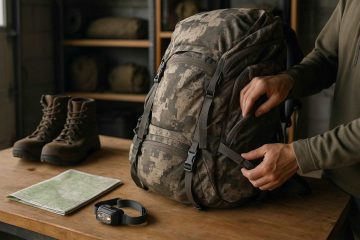
When you are on a trip where the borders might be tricky it is better to have things that work not things that look nice. An offline map on your phone is useful. You need a way to find your way and extra batteries in case your phone runs out. A small notebook and a pencil can help you write down details when you are not near a phone or when your device is not working in weather.
Bring safety things like a marker and a light plus a basic first aid kit. Wear clothes if the rules say so and make sure they are good for the weather. Choose shoes that're strong and safe because bad shoes can lead to accidents in rough places.
Never change signs, mark trees. Cut plants to make your paths. If a path is not clear use points on your map or directions of leaving something that might confuse others.
The Essential Access Checklist
Before you get into your car have a list to go through:
– Make sure you know where the land is, including the places you can enter and where you can park.
– Have copies of the permission and any papers you need.
– Check with the people about any stops, rules and what you need to report for your time of hunting.
– Get maps to use without internet bring ways to find your way and make sure you have batteries.
– Write down any gates, places that're important animals and areas you cannot go.
– Tell someone where you are going when you expect to be what you will do if your plan changes.
– If you are not sure about the lines be careful of trying to guess and breaking the rules.
This list helps you remember things that might be easy to miss when you get to the place when you have time and fewer choices.
Prioritize Ethical and Responsible Access
Hunting is not about shooting. Entering the place or walking through areas can hurt things. Animals often gather where there is food and water and they are easy to bother.
When you can use the places that are meant for people. Park in a way that does not stop others. Close gates like you found them. Be quiet where there are animals, homes and other people. If the weather is bad like wet or icy make the right choice to change your plans of taking a way.
A plan that is checked and correct makes your trip better. Shows that you care about the land, the people who own it others who use it and the animals that live there. Remember, rules change and places change. Nothing is better, than checking your access bringing the tools and knowing when to stop.
0 Comments